The Scope of Senior Loneliness
According to the National Academies of Sciences, more than one-third of adults aged 45 and older feel lonely, and nearly a quarter of adults over 65 are considered socially isolated. These numbers have risen significantly in recent years and represent a genuine public health crisis.
The health consequences are severe. Research published in the journal Perspectives on Psychological Science found that social isolation increases the risk of premature death by 26% — comparable to smoking 15 cigarettes per day. Lonely older adults show higher rates of:
- Cognitive decline and dementia
- Depression and anxiety
- Heart disease and stroke
- Falls and physical health deterioration
- Hospital readmissions
Why Seniors Become Isolated
Isolation rarely happens by choice. It typically develops through a combination of circumstances:
- Loss of driving ability — limiting access to social events, church, and appointments
- Death of a spouse or close friends — eroding the primary social network
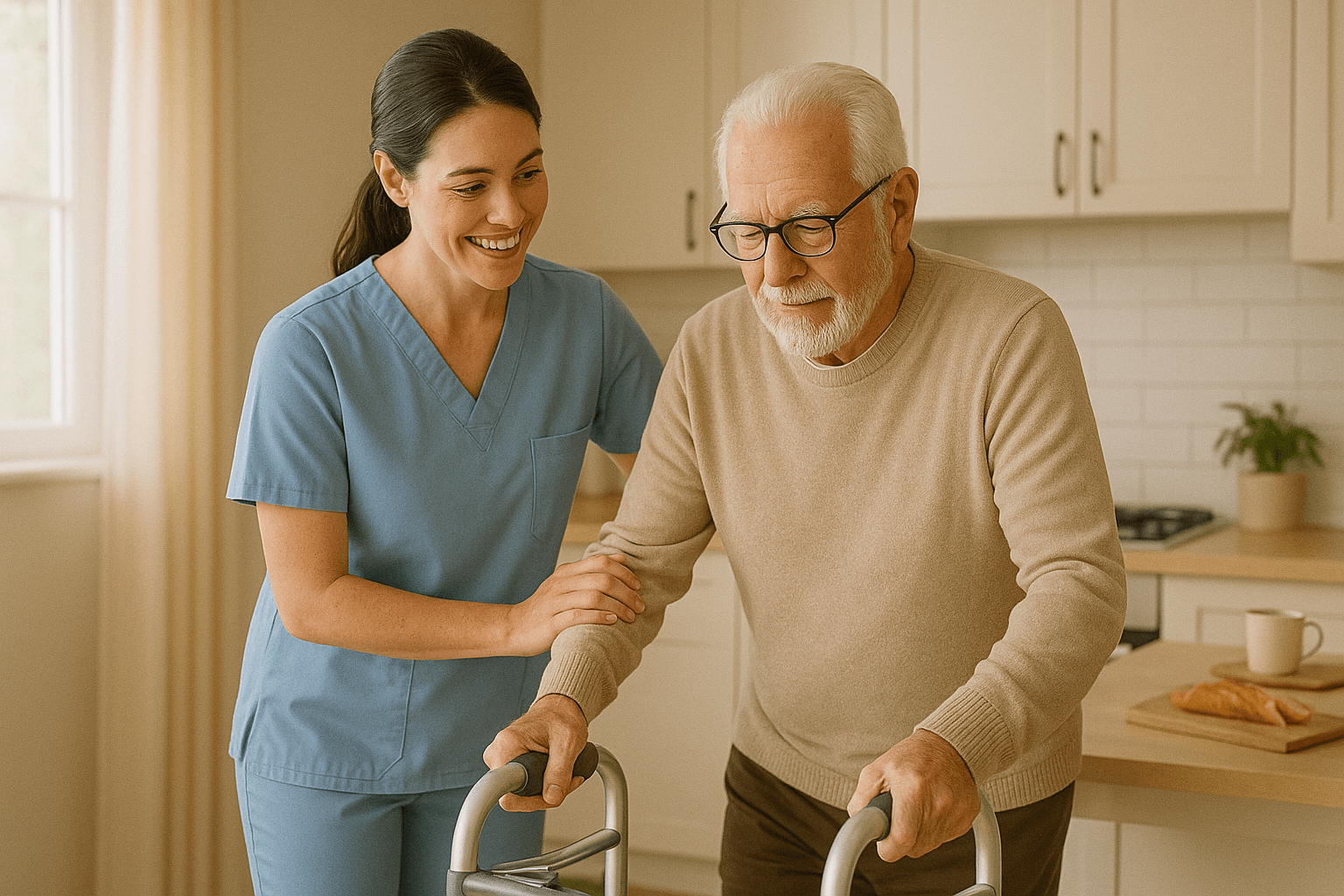
- Mobility limitations — making outings difficult or unsafe
- Hearing or vision loss — creating communication barriers
- Family relocation — reducing in-person contact with adult children or grandchildren
- Retirement — removing the daily social structure of the workplace
Warning Signs of Problematic Isolation
Family members who live at a distance often miss early signs of isolation. Watch for:
- Declining interest in hobbies or activities they previously enjoyed
- Not answering the phone or returning messages promptly
- Increased focus on television as primary daily activity
- Weight loss or poor nutrition due to skipping meals when eating alone
- Declining home maintenance or personal hygiene
- Expressions of hopelessness or "what's the point" thinking
- Increased alcohol consumption
How Companionship Care Addresses Isolation
Professional companionship care provides consistent, meaningful social interaction on a scheduled basis. A trained companion caregiver:
- Engages in genuine conversation, games, reading, or activities that reflect the senior's interests
- Accompanies the senior on outings — grocery runs, lunch, community events, or church
- Provides structure and forward-looking activities ("We're going to the farmers' market on Thursday")
- Notices and reports changes in mood, appetite, or behavior to the family coordinator
- Represents a reliable, caring human presence — especially important for those who live alone
Practical Steps for Families
Beyond professional care, families can help address isolation with:
- Scheduled video or phone calls — consistency matters more than duration. A daily 10-minute call is more valuable than a weekly 90-minute one.
- Connecting with senior centers: Most Ohio counties have senior centers offering meals, classes, and social programs. Transportation assistance is often available.
- Faith communities: Many churches and religious organizations have visiting programs for homebound members.
- Pen pal or intergenerational programs: Local schools and community organizations sometimes match seniors with younger volunteers for regular correspondence.
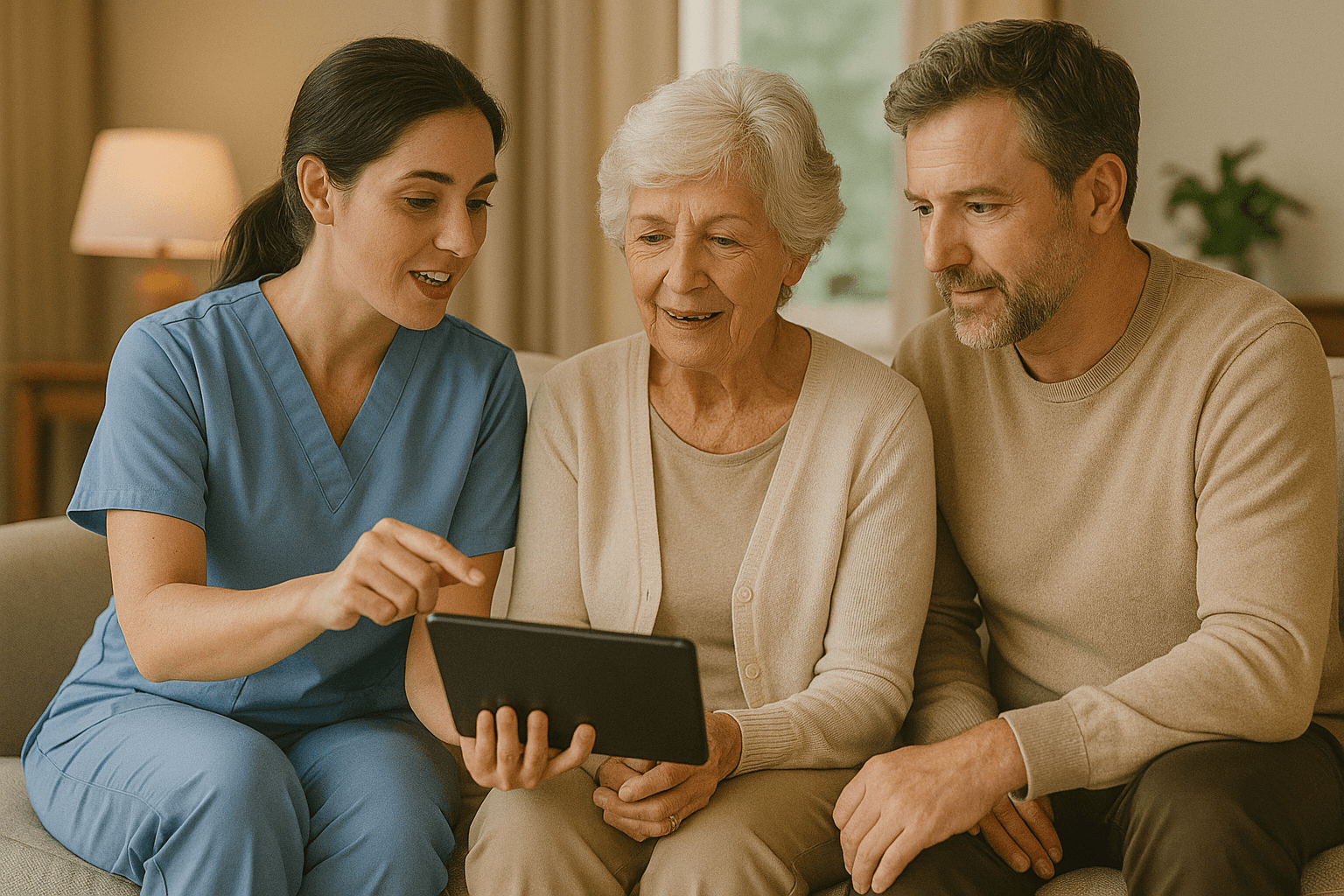
- Technology support: Teaching a senior to use video calling or social media can dramatically expand their connection options.
The Role of the Caregiver Relationship
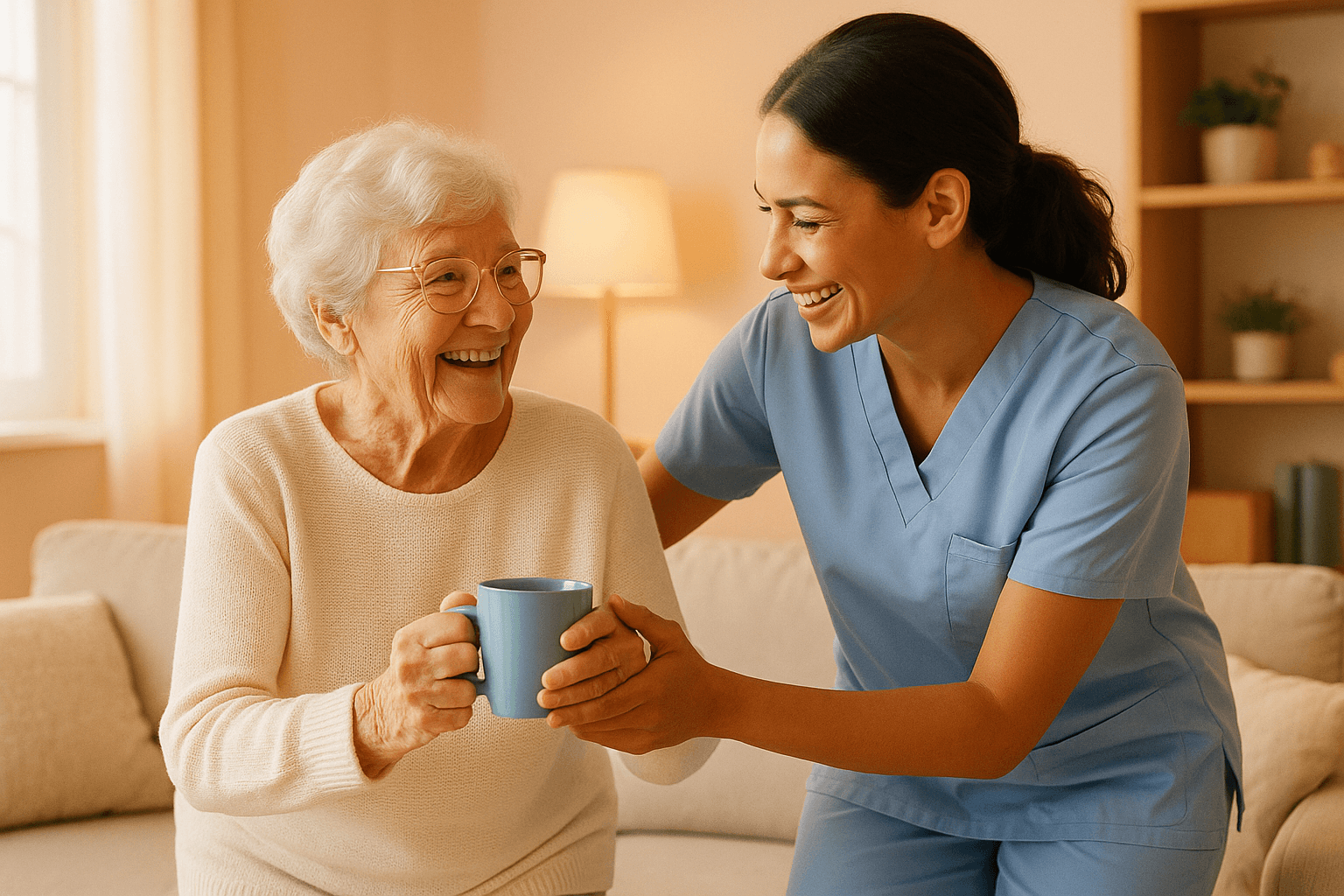
At Guardian Community Care, we match caregivers and clients based on shared interests, communication styles, and personality compatibility — not just schedule availability. A well-matched companion becomes a genuine bright spot in a senior's week: someone they look forward to seeing, someone they laugh with, and someone who notices when something feels off.
Many of our families tell us that the companionship element of care has been as valuable as the personal care assistance. For some seniors, the caregiver becomes the most consistent social relationship in their week.
That relationship matters. And we take it seriously.
If you are concerned about a loved one's social isolation, call (440) 290-6005. A free assessment can help you identify the right level of companionship and personal care support.